



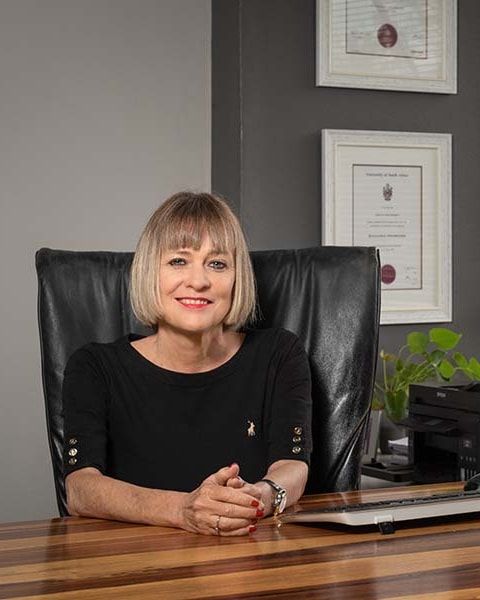
Jo-Anne Cogan
Founder & Director
Property transfers, conveyancing and estate administration
Practice area · 03
A valid will gives your family clarity about your wishes. When a loved one has died, we help the family through the administration of the estate with care and sensitivity.
Where there are laws, innocence need not tremble.
Law is order, and good law is good order.
I can do things you cannot. You can do things I cannot. Together we can do great things.
Who it's for
How we help
We offer a comprehensive and sensitive approach to estate planning, the drafting of wills and the administration of deceased estates. Jo-Anne Cogan and Nonhlanhla Mnguni both focus on estate administration.
A will is a legal document that sets out how your assets should be distributed after your death, and who you appoint as executor. It’s a good idea to review your will after major life events, such as marriage, divorce or the birth of a child.
An executor is the person, or institution, whom the Master of the High Court authorises to administer a deceased estate.
Estate administration is the legal process of collecting a deceased person’s assets, paying their debts and distributing what remains to the heirs.
The process
This is a general overview, not legal advice. Every matter is different, so please talk to us about yours.
The death is reported to the Master of the High Court, together with the death certificate, the will (if there is one) and other required documents.
The Master issues letters of executorship (or, for smaller estates, letters of authority) to the person who will administer the estate.
A notice is published in the Government Gazette and a local newspaper, inviting creditors to lodge their claims against the estate.
The executor lists and values the assets, pays the estate's debts and prepares the liquidation and distribution account.
Once the Master has accepted the account, it lies open for inspection so that interested parties can raise any objections.
After the inspection period, the remaining assets are distributed to the heirs and the estate is finalised.
Who you'll work with
Founder & Director
Property transfers, conveyancing and estate administration

Director
Estate administration and debt review
We'll explain your options in plain language. Call us, or send us a message and we'll get back to you.